


Sigma Brings EVM and Solana Trading Into One Place with deBridge


Sigma is a multichain trading bot built for active traders who want speed without the setup. It runs inside Telegram and a web app, covering Ethereum, Base, BNB Chain, Avalanche, Arbitrum, and more, with anti-MEV protection and sniper-grade execution at its core.
Sigma integrated deBridge to put bridging directly inside the bot, letting traders move between EVM chains and Solana in the same flow they already use to trade. The integration enabled them to achieve millions in trading volume and attract thousands of users who move across multiple ecosystems without friction.
The Problem: Multichain Trading Meant Multiple Tools
Traders rarely live on one chain. A position opens on Base, the next opportunity shows up on Solana, and capital has to follow. For most users, that meant running one tool for EVM, another for Solana, and a separate bridge between the two chains.
This is the starting point of friction for power users:
- Switching between bots to cover EVM and Solana
- Manually bridging funds before a position could be opened
- Lost time and missed entries while assets were in transit
- Extra steps that worked against a speed-first trading style
Sigma needed bridging that fit the way its users already trade. The requirements were clear:
- Move assets between all the supported blockchains inside the bot
- Settle in native assets, not wrapped tokens
- Keep execution fast enough for sniping and quick entries
- Stay invisible to the user, with no separate interface to learn
The Integration: Bridging Built Into Sigma
Sigma integrated the deBridge API to handle cross-chain movement as part of the trading flow itself. Rather than sending users out of the app to a bridge, Sigma routes the bridge step through deBridge in the background and lands them on the destination chain ready to trade.
Here is what the integration gives Sigma users:
- In-bot bridging: Move capital across chains without leaving Telegram or the web app.
- Multi-chain support: Bridge instantly between all supported chains in seconds.
- Native settlement: deBridge delivers the native asset on the destination chain, with no wrapped assets to manage.
- Automatic routing: Sigma detects the source chain and funds, so the trader does not have to think about the bridge at all.
- Lightning-fast Speed: Fast execution keeps cross-chain entries in line with Sigma's sniper-first design.
The Results
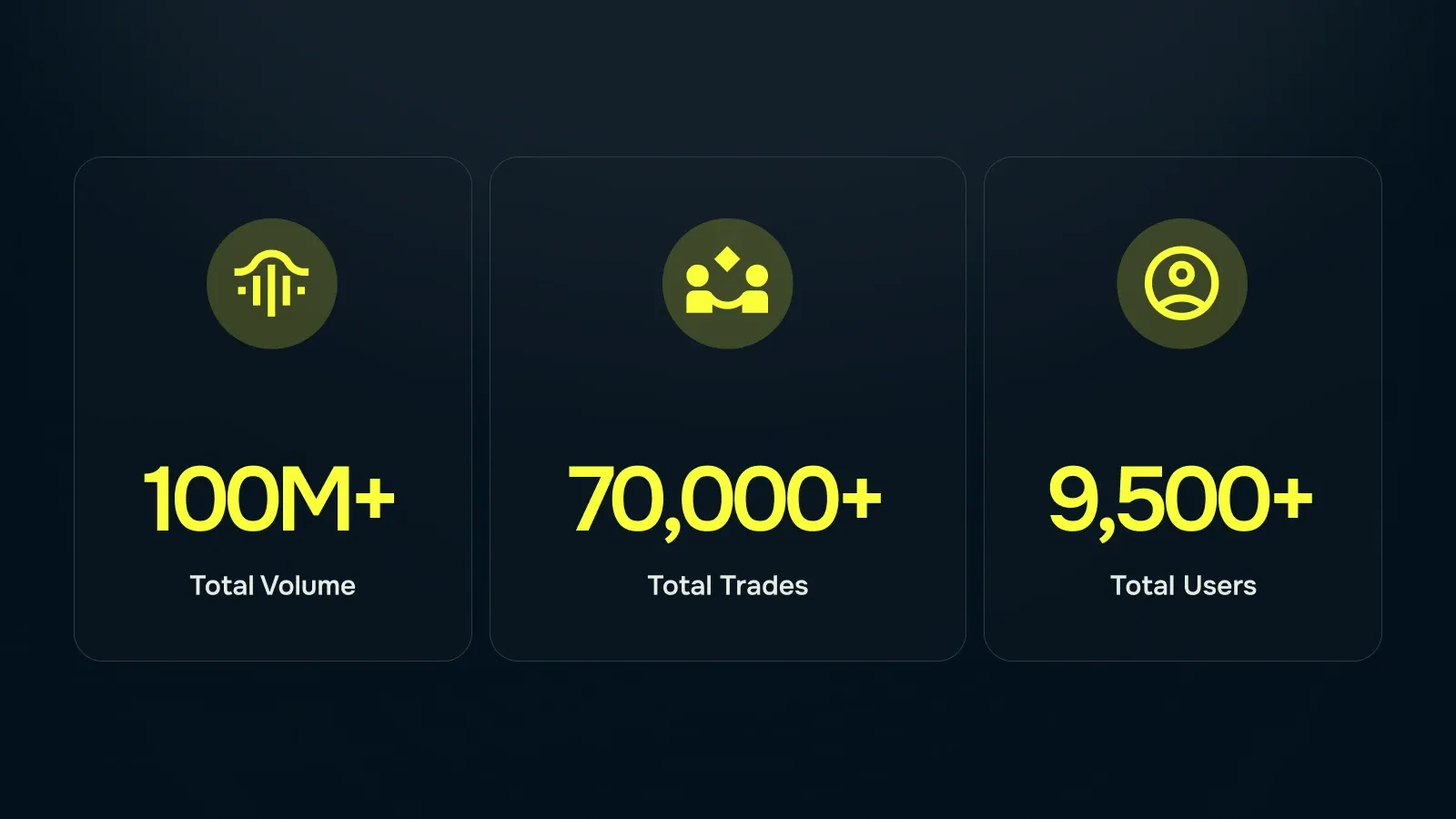
The integration moved Sigma from a single-ecosystem experience toward a multichain one, and the numbers reflect how heavily traders lean on it.
Massive liquidity inflows
Over $100M in trade volume has been executed via the integration, with the most popular route being Base → Ethereum. ETH, BNB, and SOL remain the top choices among Sigma users.
User adoption
Over 9500 users have used the integrated cross-chain flow in the Sigma Bot and regularly trade in the 5-figure range.
Continuous trading activity
Over 70,000 trades were executed through the deBridge API.
This highlights the impact of the Sigma Bot × deBridge integration, enabling users to move assets across multiple ecosystems without leaving the platform.
Trading Bots Are Going Multichain by Default
Sigma's users did not want to think about chains. They want to act on opportunities wherever they appear. By integrating deBridge, Sigma reduced conversion drop-off and made bridging an invisible part of placing a trade.
Rather than forcing users to manage bridges themselves, platforms are increasingly integrating cross-chain execution directly into their interfaces.
By integrating the deBridge API, Sigma Bot transformed cross-chain movement from a fragmented multi-step process into a seamless trading flow.